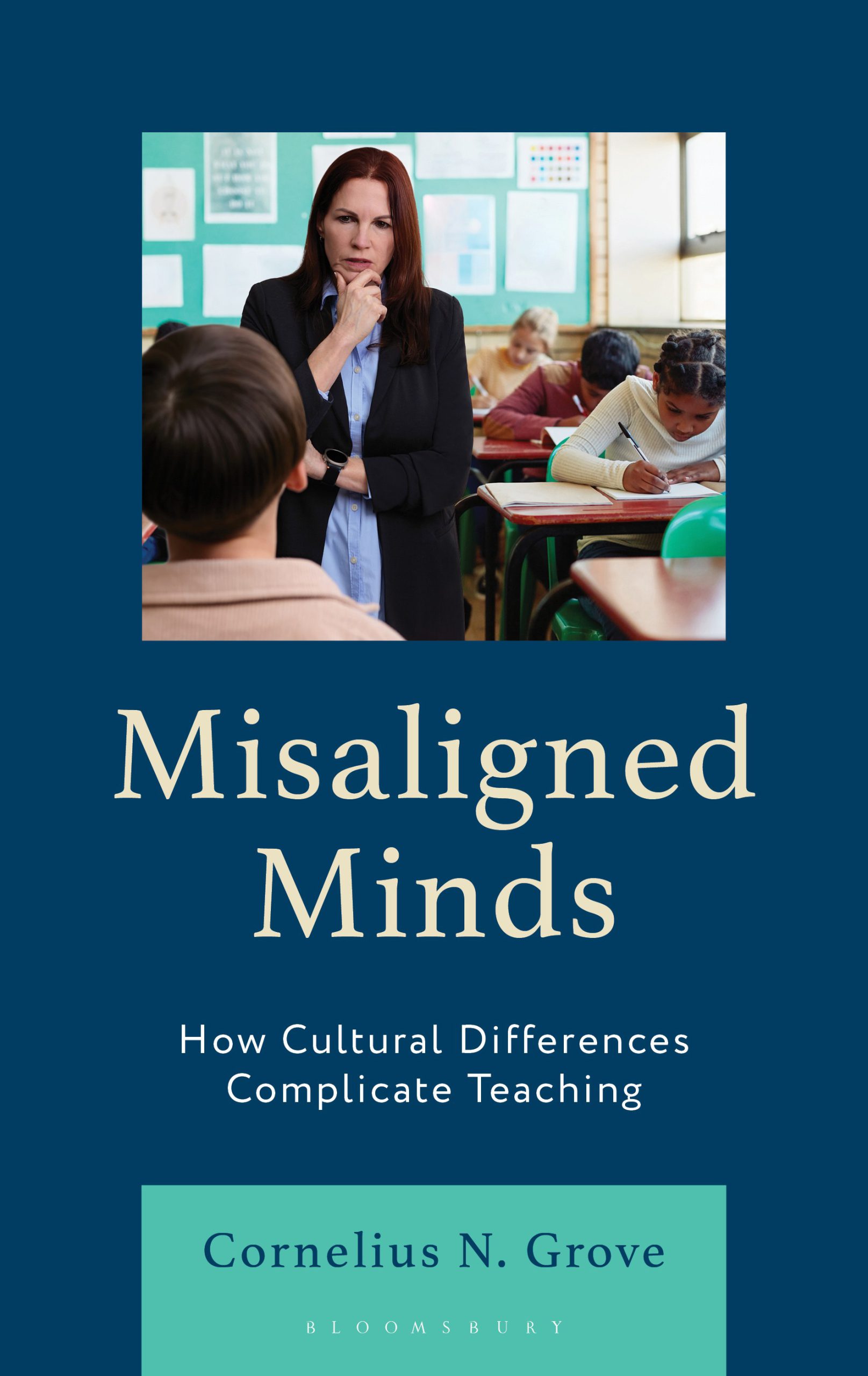
Misaligned Minds introduces readers to the three principal themes of classroom-culture difference worldwide: (a) individualistic and communitarian patterns of interaction; (b) knowledge-focused and learner-focused patterns of instruction; and (c) holistic and analytic patterns of perception and thought. Each difference is illustrated with multiple true stories, and suggestion for practice are offered.
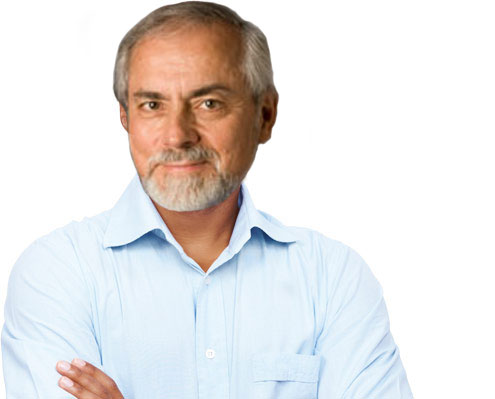
MEET THE AUTHOR
Dr. Cornelius N. Grove’s mission has been to reveal to American teachers, parents, and concerned citizens the historical and cultural values that serve as unseen guideposts for our educational practices, and on that basis to suggest culture-informed upgrades for the teaching of academic subjects.
The Aptitude Myth (2013) revealed the historical origins of Americans’ belief that children’s inborn abilities, not – as in many other societies – their dogged efforts, are largely responsible for their levels of academic performance. Grove’s search for origins took him back to Aristotle, whose influence he traces, with that of several other thinkers, into the early 1900s. Subtitle: How an Ancient Belief Came to Undermine Children’s Learning Today. Visit TheAptitudeMyth.info.
The Drive to Learn (2017) explored half of the cultural explanation for why American children’s learning in school is not as successful as that of their East Asian peers. This, the first half, examined differences in the values and activities of parental child-raising in the United States and East Asia. Subtitle: What the East Asian Experience Tells Us about RAISING Students Who Excel. Visit TheDriveToLearn.info.
A Mirror for Americans (2020) revealed the second half of the cultural explanation for why our children’s school learning has always been eclipsed by their East Asian peers’ learning. This half probes differences in the values and activities of classroom teaching in the preschools and primary schools of the United States and East Asia. Subtitle: What the East Asian Experience Tells Us about TEACHING Students Who Excel. Visit AMirrorForAmericans.info.
How Other Children Learn (2023) shared what is known about children’s learning where schooling plays little or no role in their lives. To that end, Grove probed anthropologists’ findings about five traditional societies, each on a different continent. Also revealed is how parents parent in the absence of modern middle-class expectations. Subtitle: What Five Traditional Societies Tell Us about Parenting and Children’s Learning. Visit HowOtherChildrenLearn.info.
Now, in Misaligned Minds, Cornelius Grove addresses American teachers at all levels, from E.C.E. to Ph.D., regarding the challenges presented by students from, and in, societies that have unfamiliar ideas about how one should learn in classrooms and interact with teachers. This book explains the principal themes of difference and how to understand and respond to them, and it illustrates its points with seventy-six true stories drawn from classrooms in the U.S. and abroad. Subtitle: How Cultural Differences Complicate Teaching. You are now visiting this book’s website.